You're Burnt Out, Not Broken: Breathwork Techniques That Actually Fit Your Life
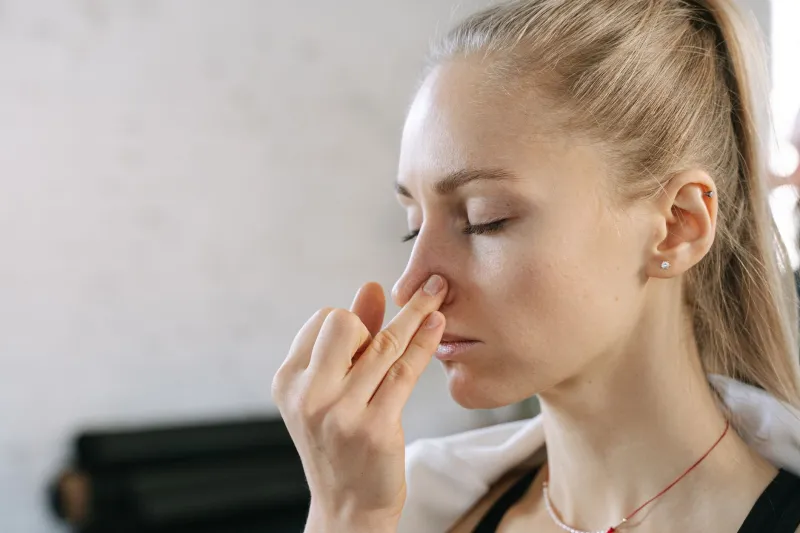
Let's get one thing out of the way immediately: if you're truly burnt out, being told to meditate can feel like being handed a band-aid for a broken leg. The suggestion is well-meaning. The execution is maddening.
Burnout — real, clinical burnout — is a state of chronic stress that has moved past the point where simple relaxation techniques reverse it on their own. The World Health Organization classifies it as an occupational phenomenon. Researchers characterize it by three markers: emotional exhaustion, depersonalization (feeling disconnected from your work or the people around you), and a reduced sense of personal accomplishment. It's not just being tired. It's being depleted at a level that affects how you think, feel, and function.
So no, you cannot simply meditate your way out of it.
But here's what's also true: specific, targeted breathwork practices — used consistently and realistically — can meaningfully interrupt the physiological stress response that burnout runs on. They won't cure the problem. But they can create enough breathing room (literally) to help you function, make clearer decisions, and access the kind of clarity needed to address the deeper issues.
This is a guide for people who don't have 30 minutes to spare, whose brains won't stop running even when they close their eyes, and who need something that actually works in the middle of a chaotic Tuesday.
Why Your Nervous System Is Running the Show
Burnout lives in the body as much as the mind. Chronic stress keeps your sympathetic nervous system — your fight-or-flight response — in a near-constant state of low-level activation. Your cortisol levels stay elevated. Your heart rate variability drops. Your body is essentially treating your inbox like a predator.
This is where breathwork has a genuine, physiological advantage over many other interventions: controlled breathing is one of the only ways you can directly and voluntarily influence your autonomic nervous system. Specifically, slow, extended exhales activate the parasympathetic nervous system — the rest-and-digest counterpart to fight-or-flight — by stimulating the vagus nerve.
You don't have to believe in anything to make this work. It's anatomy.
Techniques That Fit Inside Your Actual Day
Forget the hour-long sessions. The following practices are designed for real life — the kind with back-to-back Zoom calls, school pickups, and the perpetual sensation of being slightly behind on everything.
The Physiological Sigh (30 seconds)
This one comes out of research from Stanford neuroscientist Andrew Huberman's lab and it's as close to an instant reset as breathwork gets. Take a normal inhale through your nose, then before you exhale, sneak in a second, shorter inhale on top of it. Then release everything in one long, slow exhale through your mouth.
That double inhale fully inflates the alveoli in your lungs and maximizes the exhale's ability to offload carbon dioxide — which is directly tied to feelings of anxiety and agitation. One or two of these can noticeably shift your state within a minute. You can do this in your car before walking into a difficult meeting. You can do it in a bathroom stall. No one will notice.
Box Breathing (2-4 minutes)
Used by Navy SEALs and ER physicians for a reason: it works under pressure. Inhale for four counts, hold for four, exhale for four, hold for four. Repeat.
The equal-ratio structure regulates your breathing rhythm in a way that stabilizes heart rate and interrupts the runaway thought patterns that accompany burnout. Four minutes of this before a stressful event — or after one — is enough to create a measurable shift in physiological arousal.
If holding your breath feels uncomfortable (it does for some people, especially those with anxiety), skip the holds and just focus on equal-length inhales and exhales.
The 4-7-8 Method (2 minutes)
Developed by Dr. Andrew Weil, this technique is particularly effective for the exhausted-but-wired state that many burnt-out people know well — where you're too tired to function but too activated to rest. Inhale for four counts, hold for seven, exhale slowly for eight.
The extended exhale is doing most of the work here, triggering the vagal response and slowing your heart rate. Practice this lying down before sleep or during a midday break. Even two full cycles can shift the quality of your rest.
Micro-Awareness Check-Ins (Ongoing)
This isn't a formal technique so much as a habit you build into existing moments. Set a phone reminder — or use natural transition points like walking to another room, getting in your car, or waiting for coffee to brew — to pause and take three conscious breaths. Not controlled, not counted. Just noticed.
The goal is to interrupt the autopilot state that burnout thrives in. You're not trying to achieve calm. You're practicing the act of returning to your body for a moment before re-engaging with the demands of your day. Over time, this builds a kind of micro-resilience that accumulates.
An Honest Conversation About Limits
Breathwork is a tool. A genuinely useful one. But tools have limits, and burnout can reach a severity where breathing exercises are insufficient on their own.
If you're experiencing persistent hopelessness, inability to feel pleasure in things that used to matter, physical symptoms like chronic headaches or gastrointestinal issues, or thoughts of self-harm, please reach out to a mental health professional. The Substance Abuse and Mental Health Services Administration (SAMHSA) helpline (1-800-662-4357) is a free, confidential resource available 24/7. Many therapists now offer telehealth options that fit into irregular schedules.
Breathwork can be a meaningful complement to therapy, medical care, or structural life changes — it was never meant to replace them.
Start Where You Are, Not Where You Think You Should Be
If you're burnt out, the last thing you need is another thing you're failing at. So let's be direct: you don't need to build a meditation practice right now. You don't need to do all of these techniques. You don't need to do them perfectly.
Pick one. The physiological sigh is a good starting point because it's fast and immediately noticeable. Try it the next time you feel your shoulders creeping toward your ears or your jaw clenching in a meeting.
Becoming aware of your breath — even for thirty seconds — is not a small thing. It's a moment of return. A brief, intentional act of choosing presence over autopilot. And right now, that might be exactly enough.